
TL;DR
Sales automation has evolved from simple contact management tools into sophisticated AI-powered revenue engines. Early automation focused on reducing administrative work, while modern platforms use artificial intelligence to identify prospects, personalize outreach, predict buyer behavior, and optimize sales performance in real time.
The businesses gaining a competitive advantage today are not simply automating tasks—they are automating decision-making while empowering sales teams to focus on building relationships and closing deals.
What Is Sales Automation?
Sales automation is the use of technology to streamline, automate, and optimize repetitive sales processes.
Its primary goal is to increase efficiency, improve consistency, and help sales teams spend more time engaging with prospects rather than performing manual administrative tasks.
Modern sales automation can manage:
Lead capture
Contact management
Prospect research
Email outreach
Follow-up sequences
Meeting scheduling
Pipeline management
Sales forecasting
Performance reporting
The concept has existed for decades, but its capabilities have changed dramatically.
How Has Sales Automation Evolved Over Time?
The evolution of sales automation can be divided into four major phases.
Phase 1: Contact Management Systems (1980s–1990s)
The earliest sales technologies focused on storing customer information digitally.
Before CRM software, sales representatives often relied on spreadsheets, paper records, and personal databases.
Key capabilities included:
Customer record storage
Contact organization
Basic account tracking
Activity logging
The primary objective was record-keeping rather than automation.
Phase 2: CRM-Centric Automation (2000s)
The rise of Customer Relationship Management (CRM) platforms transformed sales operations.
Platforms such as Salesforce introduced centralized systems that allowed businesses to manage entire customer lifecycles.
New capabilities included:
Opportunity tracking
Sales pipeline visibility
Workflow automation
Reporting dashboards
Team collaboration
For the first time, organizations could standardize sales processes across large teams.
Phase 3: Marketing and Sales Integration (2010s)
As digital marketing matured, sales automation expanded beyond CRM systems.
Companies began integrating marketing automation with sales workflows to create a unified revenue process.
This era introduced:
Lead scoring
Behavioral tracking
Automated email nurturing
Multi-channel engagement
Account-based marketing (ABM)
Sales teams gained greater visibility into buyer behavior before direct engagement.
Phase 4: AI-Powered Sales Automation (2020s and Beyond)
Artificial intelligence has fundamentally changed what automation can achieve.
Rather than simply executing predefined workflows, AI systems now analyze data, make recommendations, and optimize actions automatically.
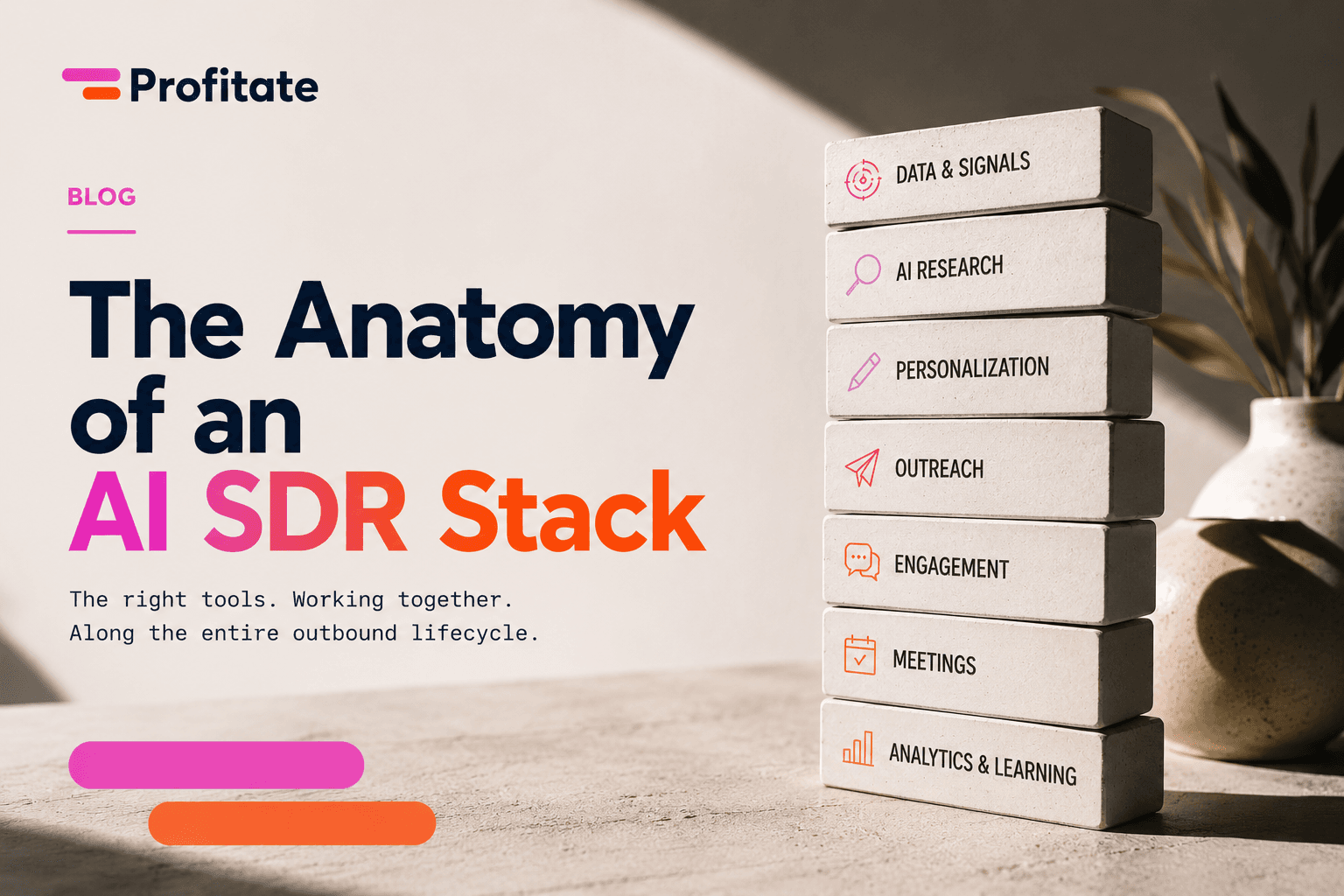
Modern AI-powered platforms can:
Identify buying signals
Prioritize leads automatically
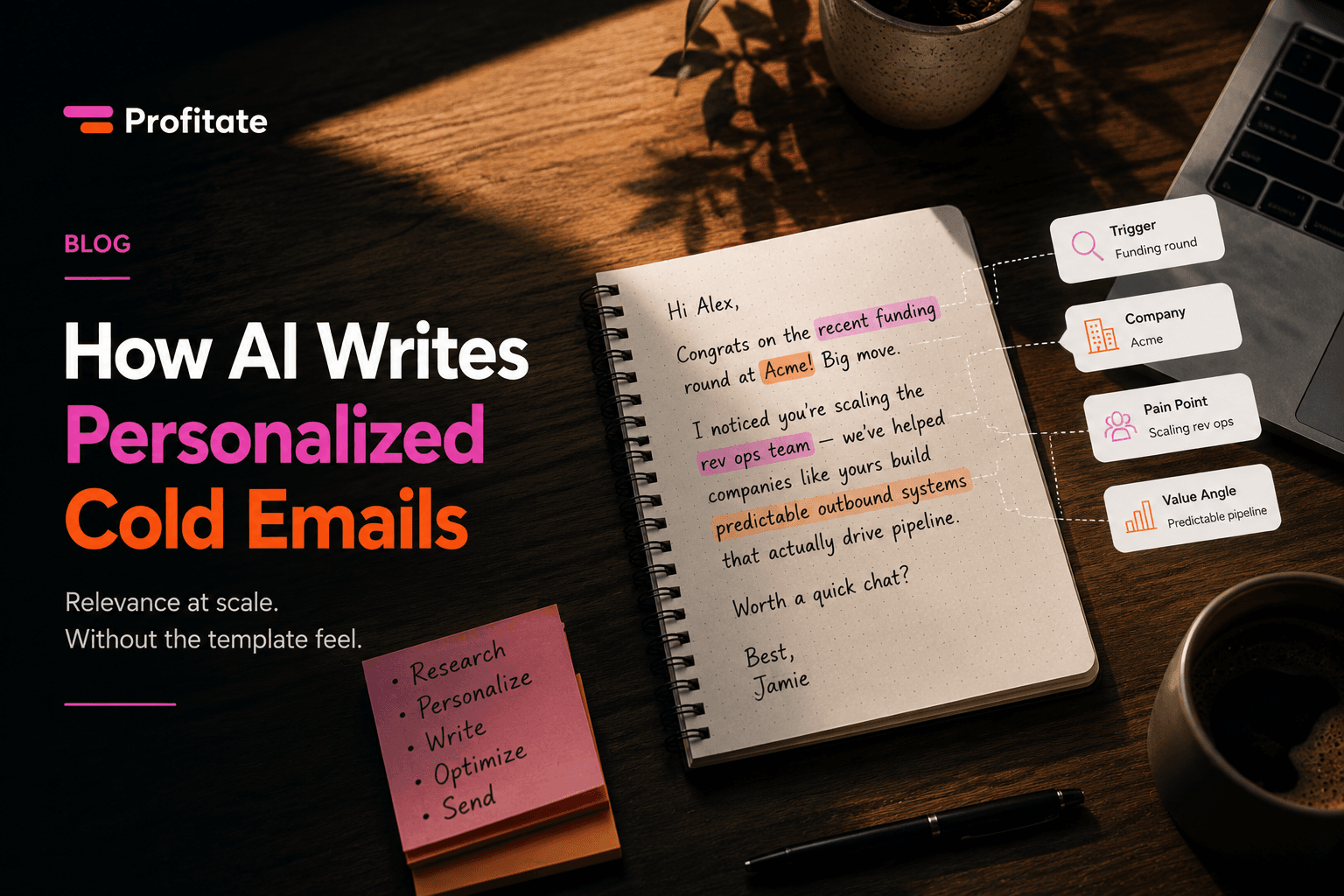
Generate personalized messaging
Predict deal outcomes
Recommend next-best actions
Optimize outreach timing
Analyze conversations and meetings
Sales automation is evolving from process automation to revenue intelligence.
Why Is AI Transforming Sales Automation?
Traditional automation followed rules.
AI-driven automation learns from data.
This distinction is significant because sales environments constantly change. Buyer preferences, market conditions, and competitive landscapes evolve rapidly.
AI adapts by continuously analyzing:
Customer interactions
Conversion patterns
Historical performance
Market trends
Prospect behavior
This enables more accurate decision-making and higher sales efficiency.
Traditional Sales Automation vs AI Sales Automation
Feature | Traditional Automation | AI-Powered Automation |
|---|---|---|
Workflow Execution | Rule-based | Adaptive |
Lead Qualification | Manual criteria | Predictive scoring |
Personalization | Template-driven | Dynamic generation |
Forecasting | Historical reporting | Predictive analytics |
Prospect Research | Human-led | AI-assisted |
Optimization | Manual adjustments | Continuous learning |
Decision Support | Limited | Advanced |
Organizations increasingly prefer AI-powered systems because they improve both efficiency and effectiveness.
What Are the Benefits of Modern Sales Automation?
Today's sales automation platforms deliver benefits across the entire revenue process.
Increased Productivity
Automation eliminates repetitive administrative work, allowing sales teams to spend more time selling.
Better Lead Prioritization
AI identifies high-intent prospects based on behavioral and firmographic signals.
Improved Personalization
Modern platforms generate highly relevant messaging at scale, increasing engagement rates.
More Accurate Forecasting
Predictive analytics help organizations anticipate revenue outcomes and allocate resources more effectively.
Faster Sales Cycles
Automated workflows reduce delays and ensure prospects receive timely communication.
What Does the Future of Sales Automation Look Like?
The next stage of sales automation is autonomous revenue generation.
Future systems will increasingly handle:
Prospect discovery
Data enrichment
Outreach execution
Follow-up management
Opportunity qualification
Revenue forecasting
Human sales professionals will remain essential, but their role will focus on strategic conversations, relationship development, and complex deal-making.
The repetitive work surrounding sales will continue to be delegated to AI.
Frequently Asked Questions
What is sales automation?
Sales automation refers to technology that automates repetitive sales activities such as lead management, outreach, follow-ups, reporting, and forecasting.
How has sales automation changed over time?
Sales automation has evolved from basic contact databases to AI-powered platforms capable of predicting buyer behavior, personalizing communication, and optimizing sales performance.
What is AI sales automation?
AI sales automation uses machine learning and artificial intelligence to improve prospecting, lead scoring, personalization, forecasting, and decision-making.
Will AI replace salespeople?
No. AI is most effective when augmenting human sales teams. It automates administrative tasks and data analysis while sales professionals focus on building trust and closing complex deals.
The Bottom Line
The evolution of sales automation reflects a broader shift from efficiency-focused technology to intelligence-driven systems. What began as digital record-keeping has become a sophisticated ecosystem of AI-powered tools that help businesses identify opportunities, engage prospects, and accelerate revenue growth. Organizations that embrace this transformation are positioning themselves for a future where automation does more than save time—it drives competitive advantage.