TL;DR / Summary:To stop targeting the wrong prospects, you need to tighten your ideal customer profile (ICP), use real data instead of assumptions, and apply qualification filters before outreach. Most targeting problems come from being too broad or relying on outdated criteria. Precision targeting leads to higher conversion rates and less wasted effort.
What Does “Targeting the Wrong Prospects” Mean?
You’re targeting the wrong prospects if your outreach results in:
Low reply and meeting rates
Poor-quality conversations
Deals that don’t convert
This typically means your prospects don’t have the problem, authority, or urgency required to buy.
Why Do Most Teams Target the Wrong People?
The root cause is usually broad or assumption-based targeting.
Common issues:
Defining ICP too loosely (e.g., “SaaS companies”)
Using outdated or purchased lead lists
Targeting job titles without understanding responsibilities
Ignoring actual buying signals
If your targeting is vague, your results will be inconsistent.
How to Fix Targeting (Step-by-Step)
Step 1: Redefine Your Ideal Customer Profile (ICP)
Your ICP should be based on real data, not guesswork.
Analyze your best customers:
What industry are they in?
What size and revenue range?
What problem were they solving?
What triggered them to buy?
Your ICP should reflect who actually converts, not who you think should.
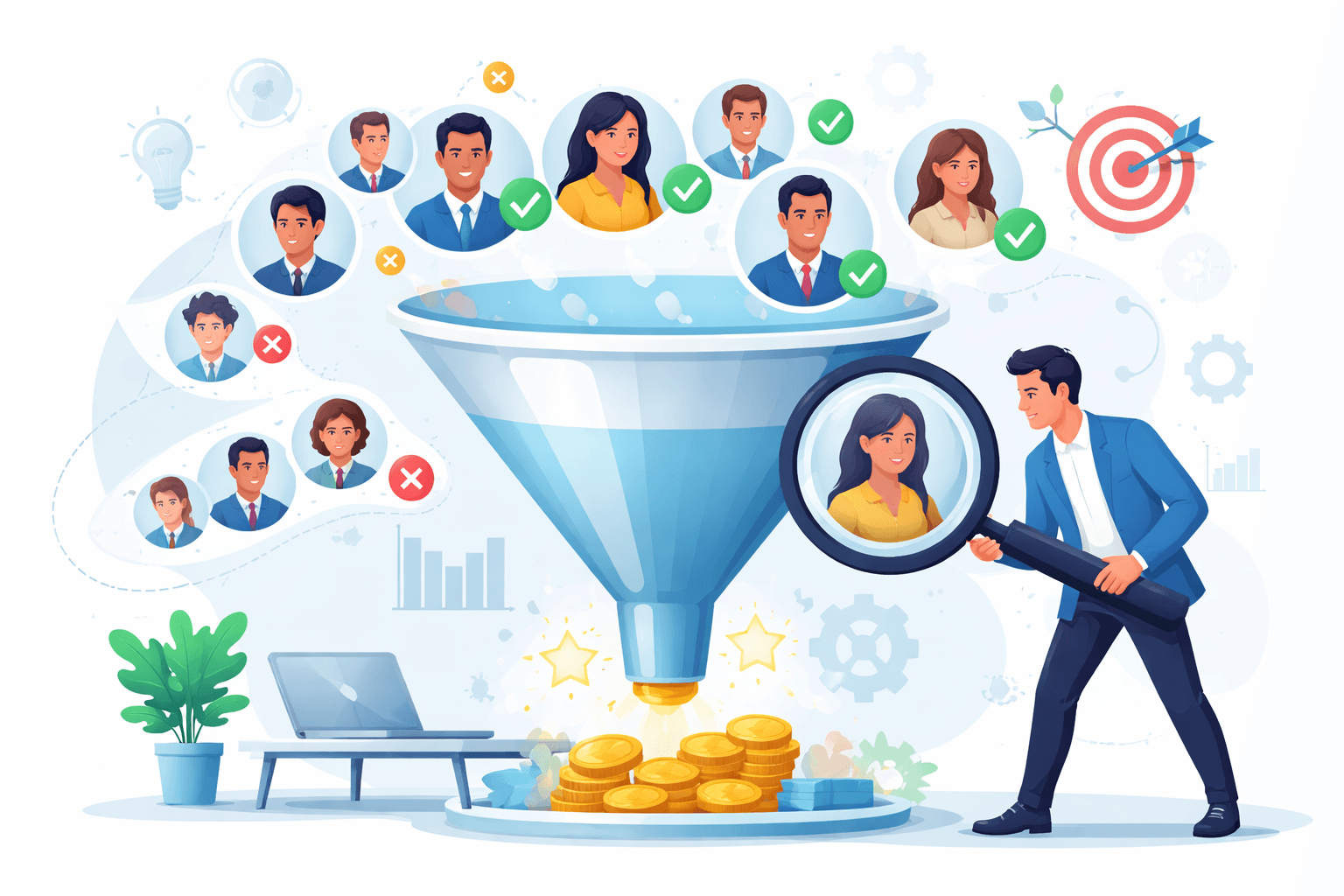
Step 2: Identify Negative ICP (Who to Exclude)
Knowing who not to target is just as important.
Exclude:
Industries with low conversion rates
Companies too small or too large
Roles without buying influence
This prevents wasted outreach before it starts.
Step 3: Segment by Pain Point, Not Just Demographics
Most targeting fails because it focuses on who they are, not what they need.
Better segmentation:
Companies struggling with churn
Teams scaling outbound
Businesses entering new markets
Pain-based targeting increases relevance and response rates.
Step 4: Use Intent and Trigger Signals
Target prospects who are actively showing interest or change.
Key signals:
Visiting pricing or demo pages
Hiring for relevant roles
Recent funding, expansion, or product launches
This ensures you’re reaching prospects at the right time.
Step 5: Validate Before Scaling Outreach
Before sending hundreds of messages, test your targeting.
Validate by:
Running small outreach batches
Measuring reply and conversion rates
Refining based on results
This prevents scaling ineffective targeting.
What Data Should You Use to Improve Targeting?
Data Type | What It Tells You | How It Helps |
|---|---|---|
Firmographic Data | Company size, industry | Defines ICP fit |
Technographic Data | Tools and systems used | Identifies compatibility |
Behavioral Data | Website and content activity | Shows intent |
CRM Data | Past conversions | Reveals patterns of success |
Combining these creates a much clearer targeting strategy.
How Do You Know If Your Targeting Is Improving?
Look for:
Higher reply rates
Better meeting quality
Increased conversion rates
Shorter sales cycles
Good targeting makes everything downstream easier.
Common Targeting Mistakes to Avoid
Targeting too broadly to increase volume
Relying on job titles alone
Ignoring intent and timing
Not excluding low-fit prospects
Scaling outreach before validating targeting
Even one of these can significantly reduce effectiveness.
Frequently Asked Questions
How narrow should my ICP be?
Narrow enough that your message feels highly relevant, but broad enough to maintain a scalable market.
Should I prioritize fit or intent?
Both—but if forced to choose, prioritize fit first, then layer intent signals.
How often should I update my targeting?
Continuously. Review and refine your ICP every quarter or sales cycle.
Key Takeaway
Stopping poor targeting isn’t about reaching more people—it’s about reaching the right people consistently. When you define a data-driven ICP, exclude bad-fit prospects, and prioritize intent signals, your outreach becomes more efficient, effective, and predictable.